青 蛙 種 類 (Frogs)
01


中國雨蛙
(Hyla chinensis)
01
中國雨蛙
(Hyla chinensis)
特徵 :
習性 :
鳴聲 :
feature :
habits :
Its call is very loud and rapid, sounding like a crisp “beep, beep, beep, beep” or the sound of tapping a wooden fish.
體型非常小巧,大約只有2-4公分(約大拇指大),最容易認的地方是從鼻孔經過眼睛,一直到前肢基部,有一條明顯的黑色過眼線,看起來就像戴了一副黑框眼鏡。
主要出沒在低海拔的稻田、香蕉園、菜園或池塘草叢。
牠們不築泡沫巢,是直接把卵產在水裡。
因為對濕度轉變非常敏感,特別喜歡在下雨前夕集體大鳴大放。
聲音非常響亮急促,聽起來像是清脆的「嗶、嗶、嗶、嗶」或敲木魚的聲音
It is very small, about 2–4 cm long, roughly the size of a thumb. Its most recognizable feature is a distinct black stripe that runs from the nostril, across the eye, to the base of the forelimb, making it look as if it is wearing black-rimmed glasses.
It is mainly found in lowland rice fields, banana groves, vegetable gardens, and grassy areas around ponds.
It does not build a foam nest; instead, it lays its eggs directly in the water.
Because it is highly sensitive to changes in humidity, it especially likes to call loudly and in unison just before rain.
frog call :

02
莫氏樹蛙
(Zhangixalus moltrechti)

特徵 :
背部是漂亮的翠綠色,最大的招牌是那雙橙紅色的眼睛(虹膜)。
牠的腹側和大腿內側藏有鮮豔的橘紅色與黑色斑點,平時趴著時看不到,跳躍時露出來具有嚇阻天敵的「閃光效果」。
鳴聲 :
低沉如同微弱的「呱、呱、呱」或連續的「囉、囉、囉」
從低海拔的果園、竹林,到海拔 2500 公尺的高山森林都能適應。
feature :
The back is a beautiful emerald green, and its most striking feature is its pair of orange-red eyes (irises).
On the underside and the inner thighs, it has vivid orange-red and black spots that are usually hidden when it is resting; when it jumps, they are exposed and create a startling “flash effect” that helps deter predators.
frog call :
Its call is low-pitched, like a faint “croak, croak, croak” or a continuous “ro, ro, ro.”
It can adapt to a wide range of habitats, from low-elevation orchards and bamboo groves to montane forests at elevations of up to 2,500 meters.
03

小雨蛙
(Microhyla fissipes)
特徵 :
習性 :
feature :
frog call :
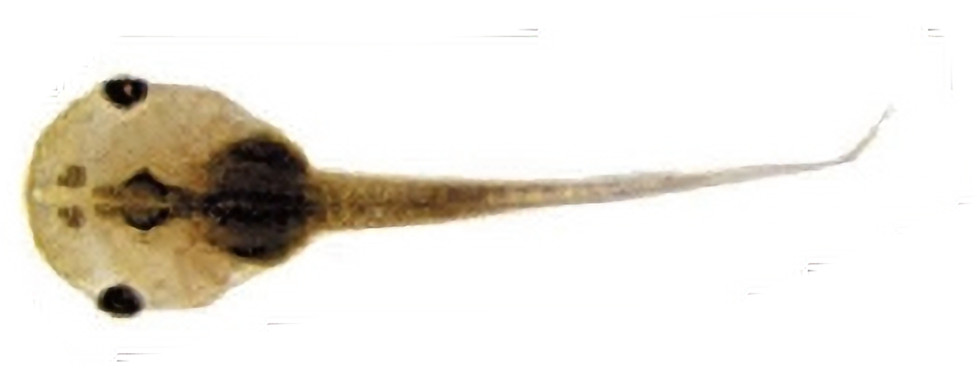
小雨蛙是體型僅約 2-3 公分的「迷你歌王」。背部有明顯的塔狀斑紋,
身體呈三角形,能完美隱身在枯葉間。
叫聲非常響亮,像是一連串低沉的「嘎、嘎、嘎」
雨後常在草叢中集體鳴叫
The little rain frog is a “mini songster” measuring only about 2–3 cm in length. It has distinct tower-like markings on its back, and its triangular body allows it to blend in perfectly among fallen leaves.
Its call is very loud, sounding like a series of low “ga, ga, ga” notes, and after rain it often calls in groups from the grass.